
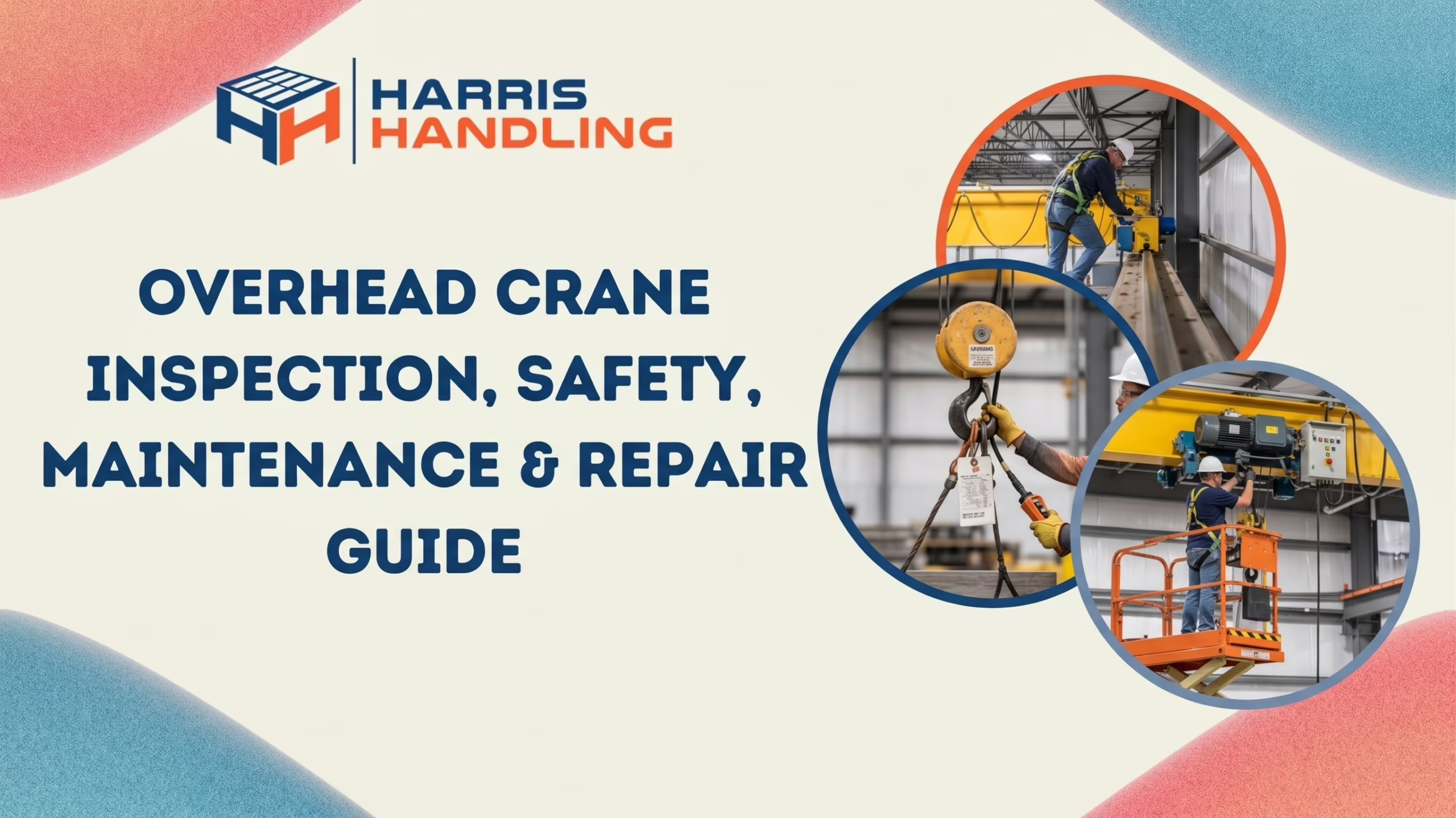
Walk into almost any warehouse or plant floor, and you’ll find one piece of equipment quietly doing more heavy lifting than anything else literally. Youroverhead crane systems move tons of material every day, often without anyone giving it a second thought. That is, until a cable frays, a brake slips, or a hook doesn’t look quite right anymore.
That’s the thing about cranes, they work hard and stay quiet about it, right up until they don’t. And when something goes wrong overhead, it doesn’t just cost you downtime. It puts people underneath at risk.
So let’s talk about what actually goes into keeping an overhead crane safe, reliable, and compliant. No jargon-heavy manual talk here, just a straightforward look at overhead crane inspection, maintenance, repair, and safety, the way you’d want it explained by someone who’s actually walked a plant floor.
Why Bother With Regular Inspections?
Honestly, it comes down to two things: people and money.
A crane hoisting a few thousand pounds above your team isn’t something you want to leave to chance. A worn wire rope or a hook that’s slowly deforming won’t announce itself, it’ll just fail at the worst possible moment. Overhead crane inspection is how you catch that stuff while it’s still a minor fix, not a major incident.
And from a business standpoint, inspections are just cheap insurance. Replacing a cable during a scheduled inspection costs a lot less than dealing with a snapped load, a shut-down production line, or worse. Most facility managers who’ve been through an unplanned crane failure will tell you the same thing: it always would’ve been cheaper to catch it early.
The Different Levels of Crane Inspection
Here’s something people don’t always realize “inspecting a crane” isn’t a one-size-fits-all task. Depending on how often the crane runs, overhead crane inspection requirements typically break down into three tiers.
Initial Inspection
This is the first look a crane gets, either brand new out of the box, or after it’s been modified or repaired in some significant way. It’s basically confirming: does this crane actually match what it’s supposed to be, and is it safe to put into service?
Frequent Inspection
This one happens a lot daily, weekly, or monthly, depending on how hard the crane works. It’s usually a quick, hands-on visual check that an operator or trained staff member can run through before a shift:
- Do the controls respond the way they should?
- Any visible fraying on the hoist chain or wire rope?
- Does the hook look bent, cracked, or stretched?
- Are the limit switches and safety devices working?
- Any leaks from air or hydraulic lines?
It’s not a deep dive, it’s more like a quick pulse check. But that quick check catches a surprising number of problems before they turn into bigger ones.
Periodic Inspection
This is the deeper, scheduled inspection monthly, quarterly, or annually, depending on how the crane is used. A qualified inspector gets into the details: structural components, electrical systems, brakes, gears, bearings, and every load-bearing part. This is where fatigue cracks, corrosion, or subtle misalignment actually get caught, the stuff a quick visual scan would completely miss.
One more thing worth saying plainly: write it down. Keep records of every frequent and periodic inspection. It’s not just paperwork for the sake of paperwork, it’s your proof of due diligence, and most safety standards expect it anyway.
Who Should Actually Be Doing the Inspecting?
Here’s where a lot of facilities slip up. Handing your crane a quick once-over is fine for daily checks, but real overhead crane inspection, the periodic, in-depth kind needs someone who actually knows what they’re looking at.
A qualified inspector brings the training and hands-on experience to properly evaluate crane and hoist inspection points: structural soundness, rope condition, brake performance, electrical safety systems, the works. An untrained employee might catch a hook that’s obviously bent. They probably won’t catch a brake that’s slowly losing its margin, or a bearing that’s a few months from failing.
Bringing in a certified inspector or a manufacturer-trained technician to evaluate youroverhead crane equipment means you’re getting a real assessment, not a guess.
What Inspectors Usually Find
If you’re wondering what actually shows up on inspection reports, it’s usually some version of the following:
- Worn or frayed wire rope — probably the most common culprit behind crane failures
- Hook wear or deformation — hooks stretch and crack after enough repeated loading
- Worn brakes — leads to load drift, or worse, a dropped load
- Electrical problems — damaged wiring, worn contacts, limit switches that don’t quite trigger right
- Structural cracking or corrosion — more common in older cranes or rough environments
- Misaligned rails or trolleys — shows up as uneven wear, or that grinding noise nobody likes hearing
None of these start out as emergencies. They start small. That’s exactly why inspection matters — catching them small is the whole point.
Maintenance: The Part That Actually Prevents All This
If inspection tells you what’s wrong, maintenance is what keeps things from going wrong in the first place. A good overhead crane maintenance routine usually covers:
- Lubrication — wire ropes, gears, and bearings need it on a consistent schedule
- Brake adjustments — keeping stopping distance and load control where they should be
- Electrical checks — catching loose connections or worn parts before they fail
- Corrosion prevention and cleaning — especially important outdoors or in humid conditions
- Load testing — done after repairs or modifications, to confirm everything’s genuinely safe
How often you need to do all this depends on how hard your crane works. A crane running multiple shifts a day in a steel yard is going to need a lot more attention than one that sees occasional use in a small warehouse. There’s no universal schedule, it’s about matching maintenance frequency to actual wear and tear.
When It’s Time for Repair
Even the best-maintained crane eventually needs a repair. Generally it falls into one of two categories.
Reactive repair happens when something fails, or fails an inspection outright, and needs fixing before the crane goes back to work. Think replacing a worn wire rope, rebuilding a hoist motor, or fixing damaged rail sections.
Planned repair is the smarter version, replacing parts proactively based on wear trends or manufacturer-recommended service life, before they actually break down on you. It keeps unplanned downtime to a minimum, which your production schedule will thank you for.
Either way, once a repair is done, don’t skip the re-inspection and where it applies, a load test — before putting the crane back into full service.
Safety Isn’t a Form, It’s a Habit
Here’s something worth remembering: safety doesn’t come from a single inspection checklist. It comes from what your team does every single day. A solid overhead crane safety culture usually includes:
- Operators who are properly trained and stay current on certifications
- Clear, visible signage around load limits and crane zones
- Quick pre-shift checks that operators actually do, not just sign off on
- A real process for reporting problems — one people actually use
- Scheduled inspections from qualified personnel, not just “whenever someone remembers”
When safety becomes routine instead of a once-a-year scramble, near-misses go down. So does downtime. It’s not complicated, it just takes consistency.
Zooming Out: Crane Inspection and Your Whole Facility
Here’s something that’s easy to overlook: crane maintenance doesn’t happen in isolation. Where your crane runs, how the runway is laid out, and how much coverage area it has, all of that ties directly into how efficiently your whole facility operates. If you’re taking a hard look at yourwarehouse crane systems, it’s worth zooming out and thinking about how it fits into your broader floor plan too. A lot of facilities discover, once they pair a crane inspection review with a look atwarehouse layout optimization, that there’s efficiency sitting on the table well beyond the crane itself.
Bottom Line
Overhead crane inspection isn’t something you do once a year and forget about, it’s an ongoing habit that protects your people, your equipment, and your bottom line. Frequent visual checks, thorough periodic inspections from someone qualified to do them, proactive maintenance, and repairs done right the first time, that combination is what keeps a crane running safely for the long haul.
If it’s been a while since your crane had a real professional look-over, or if it’s already showing signs of wear, don’t wait around for a failure to make the decision for you.Request a crane service quote and get it in front of people who know exactly what they’re looking for.
Frequently Asked Questions
How often should an overhead crane be inspected? Frequent inspections typically happen daily to monthly depending on how much the crane is used, while more thorough periodic inspections are usually done monthly, quarterly, or annually based on load class and usage intensity.
What is checked during an overhead crane inspection? Inspectors look at wire ropes, hooks, brakes, electrical systems, structural components, and limit switches to confirm the crane is genuinely safe to keep operating.
Who is qualified to inspect an overhead crane? A qualified inspector with real training and hands-on experience in crane and hoist inspection should be the one handling periodic inspections, not just untrained staff doing a quick visual pass.
What happens if a crane fails an inspection? It gets pulled from service until the issues are repaired and re-inspected, and in some cases load-tested, before it’s allowed back into normal operation.