
Dust shows up fast in busy facilities. It settles on products, clogs equipment, and hangs in the air your team breathes. Soon, shelves look dirty, sensors fail, and people start coughing. Even worse, cleanup takes longer each week, and orders slow down. Because dust spreads easily, one messy zone can affect the whole building. That means rework, returns, and extra costs. Left alone, this small problem quickly becomes a big safety and quality risk for any warehouse.
The fix is simple, flexible, and proven: dust containment curtains. These durable partitions keep dusty tasks separate from clean operations. They help with air quality control, reduce contamination, and support OSHA compliance. Since they can be sized and moved as needed, they fit both small rooms and large plants. With a smart setup, you cut cleaning time, protect goods, and keep workers safe. As a result, your operation runs smoother every single day.
Table of Contents
What are Dust Containment Curtains
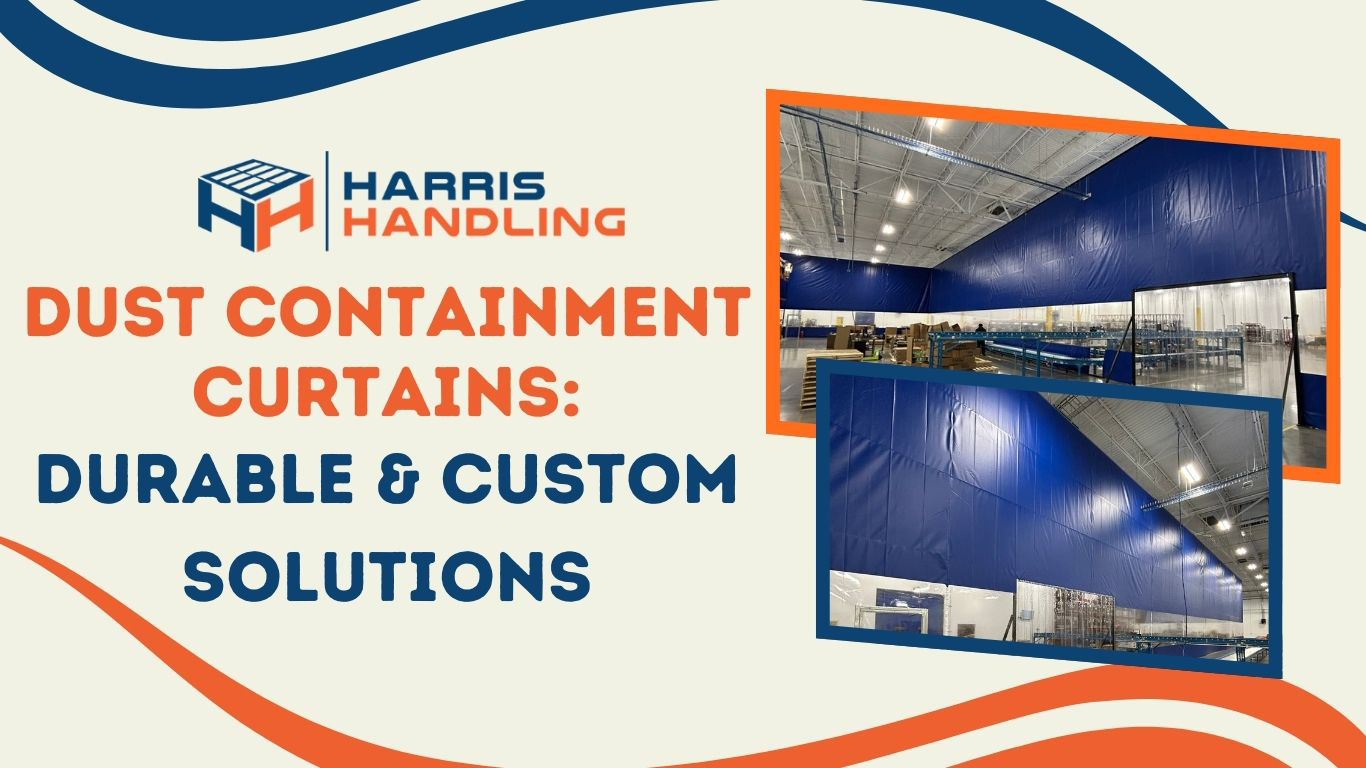
Dust containment curtains are heavy-duty, flexible walls that divide work areas to stop airborne particles from spreading. They hang from tracks or frames, reaching the floor to create a tight barrier. Unlike permanent walls, they can slide, fold, or be removed for quick access. Because they are modular, you can add doors, windows, and pass-throughs for carts or lifts. This gives you control without slowing the flow of people and products. Most importantly, they keep dust where it starts.
These systems are common in warehouses, manufacturing, food handling, and construction. They help separate cutting, grinding, packing, or returns processing from clean storage. Since dust behaves like smoke, the goal is to block movement, slow air mixing, and direct filtration. Curtains do this while keeping sightlines open, so supervisors still see the floor. In short, they deliver strong protection with light, flexible hardware that adapts as you grow.
RELATED: Barrier Netting Systems: Ultimate Guide to Enhancing Safety in Warehouses
Types of Dust Containment Curtains
Facilities often choose from clear vinyl panels, opaque PVC, or reinforced fabrics with mesh tops. Clear panels support visibility and supervision, while opaque styles add privacy for sensitive work. Track-mounted systems slide open for forklifts and large pallets, yet seal tightly when closed. Some setups use overlapping panels or magnetic edges to reduce air leaks at seams. Others add weighted hems and floor sweeps to improve particle control. Because each space is different, the best mix is usually a custom blend.
How They Control Air and Particulates
Curtains act like a windbreak, lowering air movement between zones so dust can settle or be captured. By reducing cross-drafts, they keep particles from drifting into clean aisles or shelves. When paired with local exhaust or HEPA filtration, they improve industrial hygiene and worker comfort. Doorways can include strip doors to limit openings when traffic is heavy. Sealed edges and proper tensioning further limit leaks at the floor and sides. Together, these steps create a simple, effective barrier plan.
Typical Use Cases Across Industries
In warehouses, curtains surround returns processing, sanding benches, or rework tables to protect nearby inventory. In food and beverage, they guard packing lines from upstream dust and debris. On construction sites, they isolate build zones so offices and IT rooms stay clean. Electronics and medical suppliers use them near kitting and labeling for contamination control. Even seasonal projects—like racking installs—benefit from temporary enclosures. Wherever dust starts, a curtain helps keep the rest of the building clean.
The Need for Dust Containment in Warehouses
Dust threatens what you store and how you ship. It settles on cartons, clings to plastic wrap, and seeps into open bins. Because of this, labels smear, packages look rough, and some products must be reboxed. Then, equipment begins to suffer: sensors misread, bearings fail, and conveyor belts wear faster. Cleanup cuts into shifts, and complaints rise. Over time, the total cost shows up as damaged goods, returns, and preventable maintenance.
There is also a people side and a rules side. Fine particles irritate eyes and lungs, which hurts focus and morale. Slippery floors from sweep piles raise injury risk. Meanwhile, regulators expect good housekeeping and safe air in working zones. Auditors look for clear plans and consistent execution. With the right barrier design, you protect workers, meet standards, and keep production moving. In short, control dust early and the whole building works better.
Impact on Goods Quality and Protection
When dust reaches shelves, quality slips. Boxes look dirty, barcodes scan poorly, and sensitive goods risk contamination. Since customers judge by appearance first, even light soil can trigger returns. Curtains isolate messy steps, so clean storage stays truly clean. As a result, pallets leave the building in better shape, and claims go down. Over the years, this protection saves money you can see on your reports.
Worker Safety and Operational Efficiency
Clean air helps people breathe easier and stay alert on the floor. Less dust means fewer slip hazards and clearer sightlines in busy aisles. Because curtains shorten cleanup routes, teams spend more time picking and less time sweeping. You can also stabilize flow by keeping debris away from scanners and scales.
- Faster resets after dusty tasks
- Fewer interruptions for reactive cleaning
- Smoother QC checks at packout
- Better morale from safer, tidier zones
Meeting Regulations and Standards
Warehouses must show they manage hazards, including airborne particles. Auditors often ask how you separate dusty work from stored goods and staff walkways. A documented barrier plan supports OSHA compliance and reduces risk. It shows you prevent exposure, not just clean it up later. Because curtains are visible and reliable, they strengthen your safety story. This reduces fines, claims, and stress for your team.
RELATED: Warehouse Safety Equipment: Why It Is Crucial for Your Facility
Features of Dust Containment Curtains
Strong curtains start with strong materials. Industrial PVC and vinyl resist tears, chemicals, and abrasion from daily use. Heat-sealed seams add strength at stress points, while clear windows keep leaders connected to the floor. Because edges matter, quality systems use magnetic or hook-and-loop closures to limit leaks. Floor sweeps, weights, and ceiling gasketing help seal the envelope. With these details in place, your barrier works as promised.
Flexibility is just as important as strength. Tracks can curve around columns, and panels can mix clear and opaque sections. You may add strip doors for quick hand-carry traffic and rigid frames for wide lift lanes. Since needs change, modules can be resized, moved, or stored between projects. With careful planning, dust containment curtains will fit your layout today and your upgrades tomorrow. That’s how you get lasting value from a simple system.
Material Specifications
Choose panel thickness based on traffic, exposure, and cleaning routines. Thicker PVC handles impact better, while lighter films suit overhead spans. UV-stable options prevent yellowing near dock doors with sunlight. Anti-static or flame-retardant grades support special policies and codes. Clear vision panels help supervision and safety talks near active lines. When in doubt, match material to the roughest task the curtain will face.
Customization Options
Every facility needs a slightly different kit. Height, width, and panel breaks should follow racking, conveyors, and walk paths. Add view windows at eye level so leaders can coach without entering. Use color bands to mark zones or hazards for warehouse safety. For noise control, layer mass-loaded vinyl or acoustic cores. To boost contamination control, pair sealed curtains with mobile HEPA units. The right mix makes daily work simpler and safer.
Installation Aspects
A good install starts with a clean, measured header and plumb drops to the floor. Tracks mount to beams, strut, or dedicated hangers with room to slide. Corners need overlap so air does not “shortcut” around edges. Doorways should be wide enough for your largest lift, plus turning space. Finally, train the team on opening and closing to keep seals tight. With clear steps, the setup goes fast and works well on day one.
Benefits of Implementing Dust Containment Curtains
The wins stack up quickly once barriers go in. Workers notice fresher air and fewer sweep delays. Supervisors see steadier outputs and cleaner audits. Because dust stays put, downstream areas spend less time reworking and more time shipping. Over a quarter, that means better on-time rates and happier customers. Over a year, it shows up as longer equipment life and lower consumables.
Curtains also support a more professional look and feel. Clean aisles build pride and reduce stress during tours. New hires learn faster in tidy zones. As complaints drop, leaders can focus on process improvements, not firefighting. Pairing barriers with simple checklists keeps results steady. With these habits, your site moves from reactive cleanup to proactive control.
Worker Safety and Compliance Gains
Healthier air reduces coughing, eye strain, and fatigue on long shifts. People walk with more confidence when floors are clear and dry. Training is easier because zones are clearly marked and protected. Because you block exposure at the source, OSHA inspections go smoother. Documentation is simple too: map the zones, list the materials, and show your checks. Together, these steps prove you run a safe, compliant operation.
Protection Against Contamination and Waste
Dust hurts labels, seals, and outer packs, which leads to rework and scrapped products. By enclosing messy tasks, you keep inventory sellable and shelves sharp. QC finds fewer defects, and customers receive cleaner cartons. Since waste falls, so do disposal costs and complaint credits. Over time, that protects margins without adding headcount. It’s a quiet win that keeps repeating.
Energy Efficiency and Cost Savings
Zoning helps your HVAC work smarter, not harder. You can hold different temperatures on each side of a curtain instead of conditioning the whole bay. This reduces run time on heaters and coolers and stabilizes sensitive areas.
- Smaller “conditioned footprint” lowers utility spend
- Less air mixing means steadier temps at packout
- Faster recovery after dock or door opens
- Clear ROI from energy, labor, and rework savings
How Harris Handling Can Help
The right partner makes design simple and results reliable. Harris Handling starts with a walk-through, notes your processes, and maps natural boundaries. They look at airflow, lift paths, and pick density to place doors and windows. Because they’ve seen many layouts, they can spot quick wins you’ll feel right away. Their plan balances safety, flow, and cost so you get the most value per foot.
Next comes a clean build and steady support. Panels are cut to size, hardware is labeled, and installers work around your shift needs. If you prefer, their team trains your crew to manage small moves later. Because operations change, they also offer add-on panels, extra doors, and repairs. With one call, you can tweak zones, refresh seals, or expand an enclosure. That way, your system stays aligned with your growth.
Expert Design and Site Assessment
Harris Handling reviews tasks, traffic, and trouble spots to shape the best layout. They check ceiling heights, obstructions, and HVAC to plan seals and sweeps. Their drawings show doors, overlaps, and window placement for safe visibility. You’ll see how the enclosure supports air quality goals and audit needs. Because details matter, they specify materials that match your use. The result is a clear, buildable design.
Custom Fabrication and Fast Lead Times
Panels are fabricated to your exact height, width, and feature set. You can mix clear, tinted, and opaque sections for oversight and privacy. Hardware arrives kitted by zone to speed installation and reduce downtime. If timelines are tight, they stage work to keep shipping live. Since every kit is labeled, future changes are easy to make. That keeps your curtain system flexible and future-proof.
Support, Maintenance, and Upgrades
After install, Harris Handling stays with you. They provide spare parts, cleaning guides, and simple inspection lists. If panels tear or magnets wear, replacements are quick to ship. When you add lines or racks, they extend tracks and match finishes. Because support is responsive, your barrier keeps delivering day after day. That consistency is what builds long-term value.
Create a Cleaner, Safer Workspace with Dust Containment Curtains
Dust may seem like a small problem, but in warehouses and industrial facilities, it creates big risks. Contaminated products, unsafe working conditions, and compliance violations all result from uncontrolled dust. By adding dust containment curtains, businesses can prevent these issues before they happen. These durable, flexible barriers provide a powerful solution that improves safety, protects inventory, and reduces costs.
When you choose proven materials and good design, the payoff grows. Curtains fit almost any layout, and they move with you as needs change. Pair them with simple checklists and right-sized filtration to lock in results. Because the system is modular, you can start small and build fast. Your teams will feel the difference in cleaner aisles and easier shifts.
Don’t wait for dust to slow down your business.
If you’re ready to take control of dust in your warehouse, Harris Handling is here to help. With durable, custom solutions backed by expert support, they provide everything you need to improve air quality, protect your products, and ensure compliance. Talk to Harris Handling about dust containment curtains sized for your space and goals. Get a quick assessment, a clear plan, and a clean install that respects your schedule.
🌐 Get Started with a quote today.
📞 Talk to our specialists at 704-661-3501.
Let’s protect your people, your products, and your promise to customers—starting now.
Our Best Sellers:
Quick FAQs About Dust Containment Curtains
1. What are dust containment curtains used for?
Dust containment curtains are used to block and control airborne particles in warehouses, factories, and construction sites. They separate dusty tasks from clean areas, improving air quality and keeping products free from contamination.
2. Are dust containment curtains customizable for different facilities?
Yes, they can be fully customized in size, material, and design. Options include clear panels for visibility, opaque panels for privacy, and added features like strip doors or reinforced seams for heavy use.
3. How durable are dust containment curtains?
High-quality curtains are made from heavy-duty vinyl or PVC that resist tears, abrasion, and chemical exposure. With proper care, they can last for many years in industrial environments.